Australia’s climate, lifestyle, and relationship with outdoor living make garden design both exciting and challenging. From long, hot summers to water restrictions and busy modern lives, homeowners increasingly want gardens that look beautiful without demanding constant upkeep.
At the Australian Garden Design Academy, we see a growing shift toward low-maintenance, sustainable garden design—spaces that work with the environment rather than against it.
In this guide, we’ll explore how to design a low-maintenance garden suited to Australian conditions, with practical strategies, plant choices, and expert insights.
Why Low-Maintenance Gardens Matter in Australia

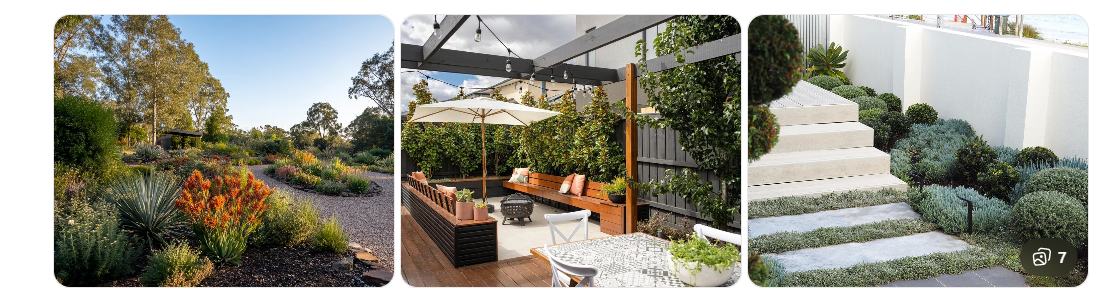
Low-maintenance gardens aren’t just about convenience—they’re a smart response to the realities of Australian living.
Across much of the country, gardeners face:
-
Extended dry periods and drought conditions
-
Water restrictions in urban areas
-
Poor or sandy soils
-
Busy lifestyles with limited time for upkeep
A well-designed low-maintenance garden reduces water use, minimises labour, and still delivers strong visual impact.
1. Start with Smart Planning
Low maintenance begins long before planting—it starts with thoughtful design.
Key principles:
-
Right plant, right place (match plants to soil, sun, and climate)
-
Zoning your garden (high-impact areas vs low-intervention zones)
-
Reducing lawn areas, which require frequent mowing and watering
Consider how you actually use your garden. A family entertaining space will have different needs from a quiet retreat or rental property.
“One of the biggest mistakes beginners make is designing for aesthetics alone. Functionality is what makes a garden sustainable long-term.”
— Marnie Sconce, Garden Design Tutor
2. Choose Drought-Tolerant and Native Plants

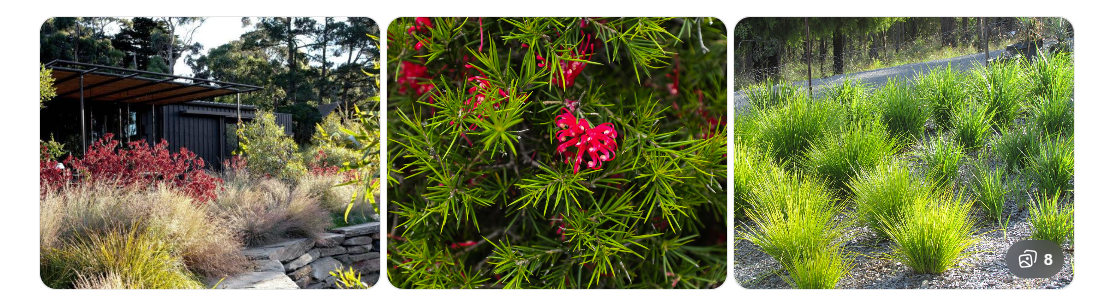
Plant selection is the single biggest factor in reducing maintenance.
Why native plants work:
-
Adapted to local rainfall and soil conditions
-
Require less fertiliser and watering
-
Support local biodiversity
Popular low-maintenance Australian plants:
-
Kangaroo Paw (Anigozanthos)
-
Grevillea (for colour and pollinators)
-
Lomandra (hardy, architectural grasses)
-
Westringia (great for hedging)
These plants thrive with minimal intervention once established.
3. Minimise Lawn Areas

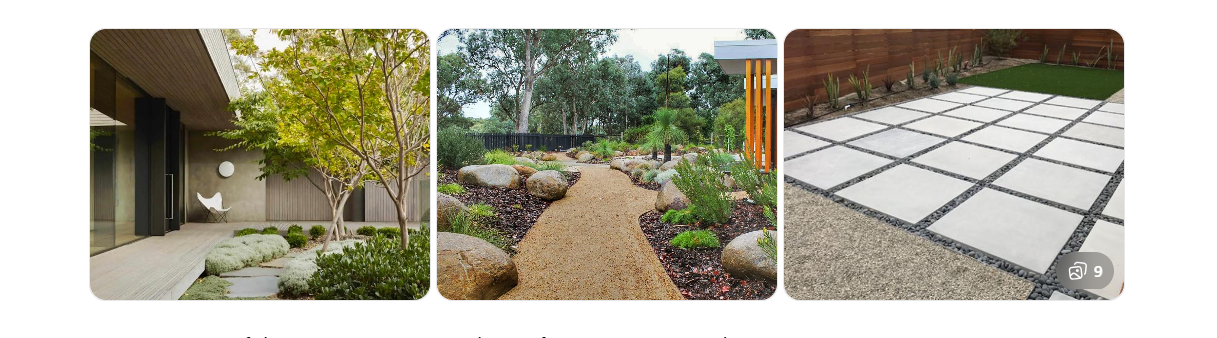
Lawns are one of the most maintenance-heavy features in any garden.
Alternatives to traditional lawns:
-
Gravel or decomposed granite
-
Paving or stone terraces
-
Timber decking
-
Ground covers like creeping thyme or native violets
Reducing lawn space:
-
Cuts water consumption
-
Eliminates frequent mowing
-
Creates more usable outdoor living areas
4. Use Mulch Generously
Mulch is one of the simplest and most effective ways to reduce maintenance.
Benefits of mulching:
-
Retains soil moisture
-
Suppresses weeds
-
Regulates soil temperature
-
Improves soil health over time
Organic mulches such as native leaf mulch or mixed native garden fines are widely used in Australian gardens, while sugarcane or pea mulch is typically reserved for vegetable patches.
5. Design Efficient Irrigation Systems


Smart irrigation dramatically reduces both effort and water waste.
Best practices:
-
Install drip irrigation systems for targeted watering
-
Use timers or smart controllers
-
Collect rainwater where possible
Grouping plants with similar water needs (hydrozoning) also improves efficiency.
6. Embrace Simple Planting Schemes
Complex planting designs often mean complex maintenance.
Instead:
-
Use repetition of a few plant species
-
Create bold, simple groupings
-
Avoid overly intricate layouts
This approach creates a modern, cohesive aesthetic while reducing pruning and care requirements.
“Simplicity in planting is one of the hallmarks of professional garden design—it’s visually strong and easier to maintain.”
— Marnie Sconce, Garden Design Tutor
7. Choose Durable Materials

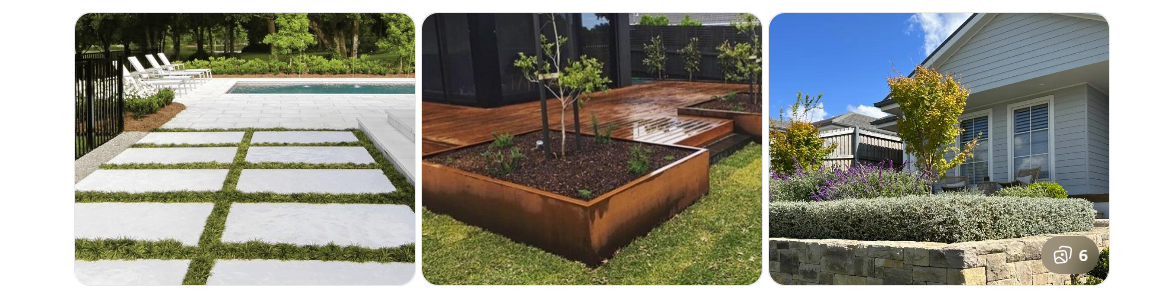
Hard landscaping materials should be selected for longevity and minimal upkeep.
Recommended materials:
-
Natural stone
-
Concrete pavers
-
Corten steel edging
-
Composite decking
Avoid materials that require frequent sealing, painting, or replacement.
8. Reduce Ongoing Maintenance Tasks
A truly low-maintenance garden is designed to minimise recurring chores.
Strategies include:
-
Using mulch or ground cover to suppress weeds
-
Using slow-growing plants
-
Avoiding high-maintenance features like hedges that need constant trimming
-
Designing for easy access to all areas
Even small decisions—like wider pathways or accessible planting beds—can make a big difference over time.
9. Design for Seasonal Resilience

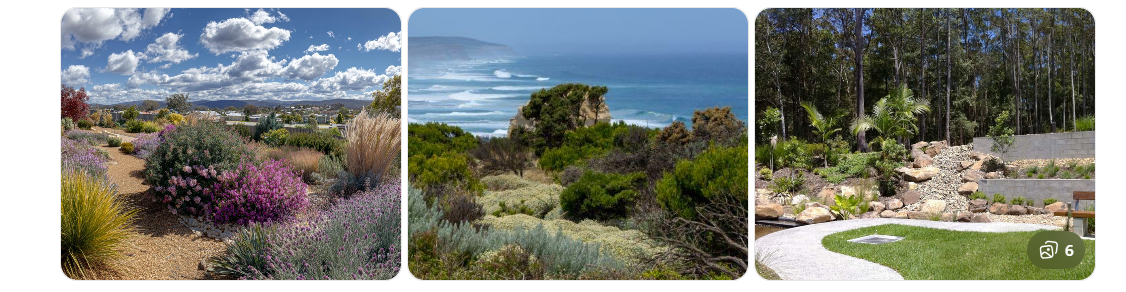
Australian gardens must cope with seasonal extremes—from heatwaves to heavy rain.
Consider:
-
Heat-tolerant planting
-
Wind-resistant structures
-
Bushfire-aware design
Designing for resilience reduces the need for constant intervention when conditions change.
10. Create Outdoor Living Spaces That Work
Ultimately, a low-maintenance garden should support how you live.
Think about:
-
Entertaining areas
-
Shade structures
-
Lighting for evening use
By prioritising usability, you ensure your garden is not just easy to maintain—but enjoyable year-round.
The Bigger Picture: Sustainable Garden Design
Low-maintenance gardens align closely with sustainability:
-
Reduced water use
-
Lower chemical inputs
-
Support for native ecosystems
This is why they are increasingly central to modern garden design education and practice.
Interestingly, within the Australian education sector, garden design continues to perform strongly as a discipline—driven in part by this growing demand for practical, sustainable skills.
Final Thoughts
Designing a low-maintenance garden for Australian lifestyles is about working smarter, not harder. By embracing native planting, simplifying layouts, and planning carefully, you can create a garden that thrives with minimal effort.
“The best low-maintenance gardens don’t look ‘low effort’—they look intentional, balanced, and deeply connected to their environment.”
— Marnie Sconce, Garden Design Tutor
Whether you’re designing your own space or pursuing a career in garden design, these principles form the foundation of beautiful, resilient outdoor environments.
